ZVEREV AND RYBAKINA RAGE-BAIT STORY EXPOSED AS FABRICATED CLICKBAIT
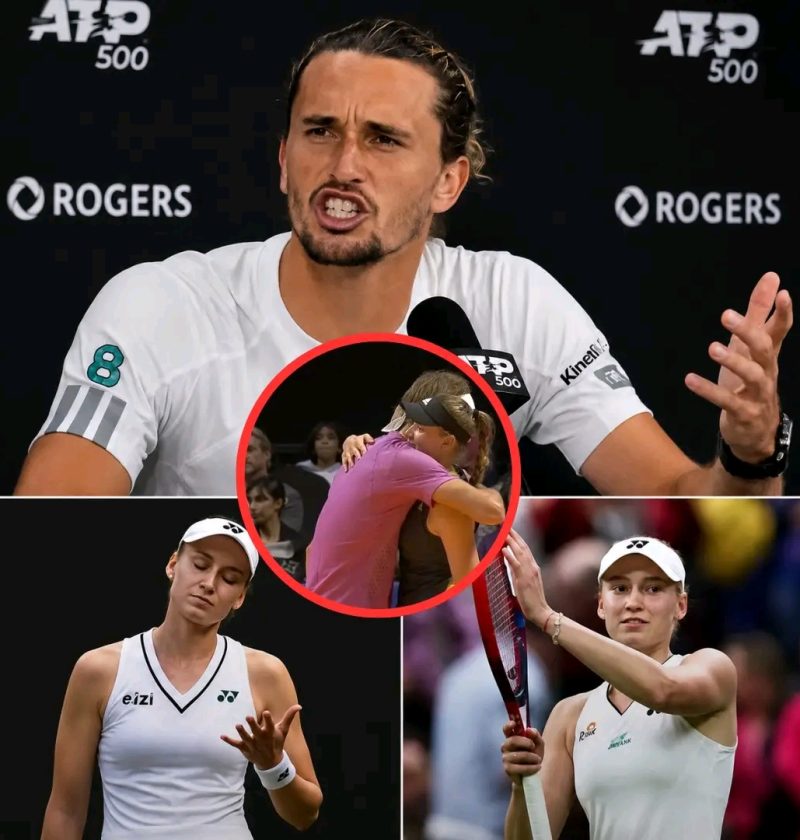
A sensational story recently spread across tennis communities and social media, claiming that Alexander Zverev had launched an angry public attack on people who had allegedly been criticising Elena Rybakina.
The viral post used dramatic language and claimed that Zverev had lost his temper during a live microphone appearance, calling Rybakina’s critics “cruel and stupid” while passionately defending the Kazakh tennis star. It also teased an alleged confrontation with a mysterious “toxic influencer” and suggested that Zverev had issued a shocking warning.
However, according to the article, there is no evidence that any such confrontation ever happened. The supposed outburst, the live-microphone incident and the dramatic warning were presented as part of a fabricated narrative designed to attract attention and generate engagement.
Rybakina remains one of the biggest names in women’s tennis and has occasionally faced public and media attention regarding issues such as her health, tournament withdrawals and coaching changes. However, the article states that these matters have been addressed through normal professional channels, including official statements and press conferences.
Likewise, Zverev is known for being outspoken during interviews and press conferences, but there is no verified record of him delivering the dramatic speech described in the viral post or publicly confronting critics on Rybakina’s behalf. The alleged feud with an unnamed influencer was also described as fictional.
The article argues that the story follows a familiar clickbait formula. By presenting Zverev as a heroic figure defending a fellow tennis player from online abuse, the creators attempted to trigger strong emotional reactions from readers. This type of storyline can encourage fans to share and comment on the post because it creates a clear sense of conflict between a supposed hero and villain.
Another tactic involves introducing an unnamed antagonist, such as the so-called “toxic influencer.” By keeping the alleged target anonymous, the story creates curiosity and encourages readers to continue searching for more information without providing any concrete evidence about who was supposedly involved.
The use of cliffhangers is another major feature of this type of content. Posts often end with phrases suggesting that something shocking happened next, pushing readers to click “See more” or follow a link. The article describes this as part of a strategy designed to drive traffic to websites that profit from advertising and online engagement.
According to the article, these stories can also be part of a wider system of engagement farming and traffic generation. Readers may be redirected through shortened links to websites filled with advertisements, automated content or other pages designed to benefit from clicks and page views. Highly emotional reactions, arguments and shares can then help the content spread further through social media algorithms.
The article also highlights the potential harm caused by creating fictional controversies involving real athletes. False stories can damage an athlete’s public image by portraying them as aggressive or unstable, even when the events being described never occurred.
In addition, turning genuine issues such as online harassment into exaggerated entertainment can distract from serious discussions surrounding abuse and mental health in professional sport. The spread of fabricated stories can also make it more difficult for fans to distinguish reliable sports journalism from content created purely to generate clicks.
The article concludes by encouraging tennis fans to be more careful when consuming sensational stories online. Readers are advised to look for information from official tennis organisations and established news outlets, while also being cautious of headlines filled with excessive capital letters, dramatic language, emojis and mysterious cliffhangers.
Fans are also encouraged not to immediately share or engage with unverified stories, as even negative reactions can help misleading content reach a larger audience.
Ultimately, the article argues that tennis fans should focus on verified information and the genuine achievements of players rather than allowing fabricated online drama and rage-bait stories to dominate the conversation.
:::
I can also give you a short, catchy heading for Facebook.