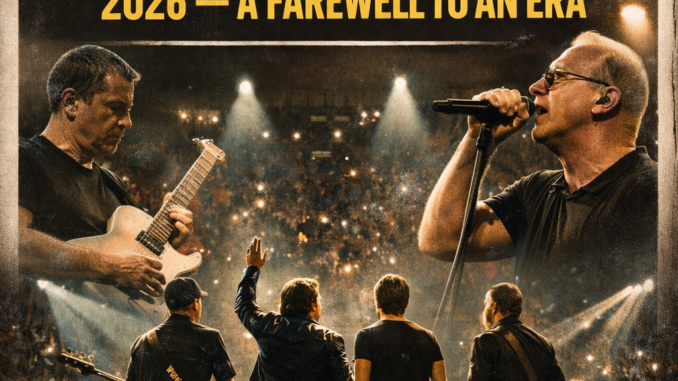
“Come Back: ‘One Last Ride’ – Bad Religion’s Emotional Farewell to an Era in 2026”
In 2026, the punk rock world felt a tidal wave of nostalgia and bittersweet farewell as Bad Religion, one of the most influential bands in the genre’s history, announced their final tour and studio album, “One Last Ride.” For over four decades, the band had been the voice of rebellion, intellect, and unwavering passion, shaping the soundscape of punk rock and inspiring generations of fans worldwide. Their departure marked not just the end of a band, but the closing chapter of an era that had defined punk’s evolution and cultural impact.
From their inception in 1980 in Los Angeles, Bad Religion distinguished themselves with their complex melodies, lyrical depth, and relentless commitment to social and political issues. Albums like *Suffer* (1988), *No Control* (1989), and *Stranger Than Fiction* (1994) cemented their reputation as punk pioneers who refused to compromise their message. Over the decades, their sound matured, incorporating elements of melody and sophistication, yet never losing the raw energy that made them legendary.
By 2026, Bad Religion had become more than just a band; they were icons, mentors, and voices of conscience for millions. Their music had accompanied countless moments of rebellion, hope, and reflection. The announcement of “One Last Ride” was met with an overwhelming surge of emotion from fans old and new. Social media flooded with tributes, memories, and gratitude. The band’s message was clear: this was their final chapter, a farewell to the decades-long journey that had defined their lives and the lives of their listeners.
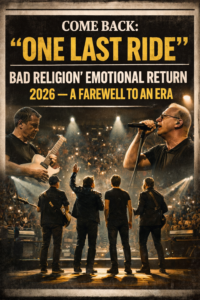
The emotional weight of this farewell was palpable in every aspect of the campaign. The band released a heartfelt statement, expressing gratitude for the unwavering support and the shared experiences that had shaped their careers. Lead vocalist Greg Graffin’s voice trembled as he reflected on the journey: “We’ve dedicated our lives to music and to the message. It’s hard to say goodbye, but we want to leave behind something meaningful — a final gift for our fans.”
“One Last Ride” was more than just a tour; it was a celebration of their legacy. The setlist spanned their entire discography, with special focus on songs that had become anthems of resistance and introspection. Each show was a cathartic experience, a communal act of remembrance and appreciation. Fans, many of whom had grown up with Bad Religion’s music, found themselves overwhelmed with emotion—tears, cheers, and heartfelt connections filling every venue.
The album accompanying the farewell was a poignant reflection of their journey. It combined new material with reimagined classics, infused with a sense of closure and reflection. Tracks like “Come Back,” a deeply emotional plea for reconciliation and understanding, captured the essence of their farewell message. The lyrics resonated with feelings of nostalgia, gratitude, and an acknowledgment of the inevitable passage of time: “We’re leaving but never gone, our voices echo on.”
Musically, “One Last Ride” showcased a matured sound—rich, layered, yet retaining the raw energy that made Bad Religion a punk cornerstone. The melodies carried a weight of emotion, complemented by lyrical themes of farewell, hope, and the enduring power of community. The album’s production was intimate, emphasizing authenticity and connection, making listeners feel as if they were part of an intimate farewell gathering.
The emotional significance extended beyond the music. Fans shared stories of how Bad Religion’s songs had helped them through personal struggles, inspired activism, and fostered a sense of belonging. For many, the band’s final chapter was a reflection of their own journeys—an ode to resilience and the enduring power of punk ethos.
As the tour progressed, the band’s performances became increasingly poignant. Each show was a celebration of their legacy, a moment to honor their influence, and a farewell to a community that had grown around their music. The crowd’s energy was electric, yet tinged with sadness—knowing that these moments were fleeting, that the band’s journey was coming to an end.
In interviews during this final phase, band members expressed a mix of emotions—pride in their accomplishments, gratitude for the fan support, and a sense of peace about moving on. Graffin often talked about how the band’s music had been a vehicle for social change, and how he hoped their farewell would inspire others to continue the fight for justice and truth.
“Come Back: One Last Ride” was more than a farewell; it was a testament to the enduring power of music to unite, inspire, and transform. It reminded fans that even as the band stepped away from the stage, their influence would remain—a lasting legacy etched into the fabric of punk history. The emotional farewell resonated deeply, leaving an indelible mark on all who experienced it.
As the final notes faded and the curtains fell on this chapter, fans were left with a profound sense of gratitude and nostalgia. Bad Religion’s farewell was a reminder that true artistry transcends time, and that the spirit of rebellion and hope they ignited would continue to inspire long after the last chord. “One Last Ride” was not just an end, but a celebration of a journey that changed lives—a heartfelt farewell to an era that the world would never want to see end.
Leave a Reply