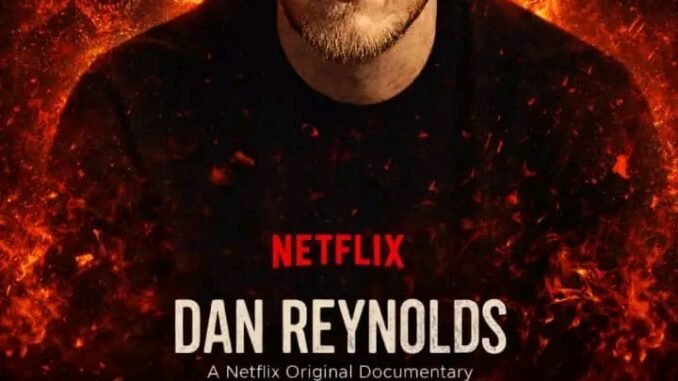
Dan Reynolds’ Story Told in Cinema — Netflix Exposes the Dark Side of Fame
From arenas packed with 20,000 screaming fans to moments of silent breakdown in hotel rooms, Dan Reynolds’ life has always been a study in contrasts. The frontman of Imagine Dragons—one of the most successful rock bands of the 21st century—is not just a rock-star figurehead; he’s a human being whose story, until now, has only been partially told. With the release of Netflix’s Dan Reynolds: One and Only, audiences finally get a deeply intimate portrait of a man who has faced industries’ harsh spotlight and the monsters lurking within.
—
🌟 Act I: The Rise — From Las Vegas to Global Fame
Dan Reynolds’ path to superstardom began humbly in Las Vegas, Nevada, where the son of a large family grew up with a love of music that felt almost like a calling. In 2008, he formed Imagine Dragons, and from the first note, the band’s blend of cinematic pop rock and emotional lyricism connected with millions across the globe. Hits like “Believer,” “Thunder,” and “Demons” didn’t just dominate charts—they became anthems of a generation.
But behind every roaring chorus and sold-out stadium was a mounting cost few fans saw: a frontman struggling to reconcile his inner world with the world’s expectations.
Netflix doesn’t shy away from this duality in One and Only. In the opening sequences, concert footage roars with the electric energy that has defined Reynolds’ career; cut to quiet hotel corridors and late nights where the applause has long faded. It’s an immediate visual language of light and dark—a theme that echoes throughout the film.
—
🧠 Act II: The Monsters Behind the Music
What makes this documentary so gripping—and at times shocking—is its refusal to sugar-coat fame. Rather than simply celebrating the band’s meteoric rise, Netflix turns the camera inward. Reynolds speaks candidly about mental health battles, exploring the anxiety, depression, and self-doubt that have shaped not just his career but his sense of self. It’s far from the glossy rock-star narrative; this is vulnerability in high definition.
Two of the most potent “monsters” documented are mental health struggles and creative exhaustion. Fame promised freedom and fulfillment, but it also brought relentless touring schedules and the constant pressure to innovate. In the doc, Reynolds revisits moments where he grappled with burnout, questioning not only his music but his purpose. These scenes aren’t melodramatic—they’re painfully human, showing a man trying to reconcile his public identity with his personal pain.
Another enemy Reynolds has long battled is physical pain. Since 2015, he’s openly lived with ankylosing spondylitis—a chronic inflammatory disease that affects the spine and can be crippling. The condition has been a literal and figurative weight on his shoulders, reminding him daily that even the strongest performers have limits.
But perhaps the most emotional revelations come from the pressure to be everything to everyone: a bandleader, a father, a husband, and a public role model. Through footage and interviews, we see the toll this takes—not just on Reynolds, but on those closest to him, including bandmates and family.
—
🤝 Act III: Fighting Back—Purpose, Passion, and Advocacy
If One and Only feels heavy, it’s because Reynolds’ journey is heavy. But it’s also hopeful.
One of the most compelling arcs in the film centers on his activism. Reynolds isn’t just surviving his ordeals—he’s using his platform to drive change. His involvement in initiatives like the LOVELOUD Foundation, which supports LGBTQ+ youth often rejected by family or faith communities, emerges as one of the most powerful threads in the documentary. These scenes aren’t political speeches; they’re snapshots of real lives touched by compassion—lives Reynolds helped uplift.
Audiences also witness Reynolds grappling with his role as a father, balancing the demands of a global career with the responsibilities of parenthood. These intimate family moments—sometimes joyful, sometimes fraught—are where the documentary’s emotional core truly lies. Viewers see a man who loves fiercely, struggles deeply, and still strives to be better.
—
🎶 Act IV: The Art of Healing
Perhaps the most cinematic sequences are those where Reynolds retreats into creativity. Netflix showcases songwriting sessions, recording moments, and reflective walks—revealing how Reynolds’ art became both a mirror and a lifeline. These aren’t just behind-the-scenes clips; they’re explorations of healing through music.
The doc connects his biggest hits back to personal events—joys and heartbreak alike—showing how songs that sparked global sing-alongs started as whispers in his private world. This creative process becomes a metaphor: even when wounded, Reynolds still finds a way to turn pain into art.
—
🎥 Final Act: A Human, Not a Myth
Dan Reynolds: One and Only doesn’t conclude with triumphant fanfare. Instead, it ends with honesty—a reminder that healing is ongoing and that resilience isn’t mythic but messy.
Netflix’s portrayal strips away the myth of the untouchable rock star, leaving behind something more profound: a portrait of a man who, despite fame’s intoxicating glow, has faced his own darkness and come out with humility and purpose. It’s a narrative that’s as inspiring as it is sobering, and one that will stay with viewers long after the credits fade.
—
📌 In the end, this isn’t just a rock documentary—it’s a human one.
Reynolds’ story reminds us that the loudest voices can carry the deepest vulnerabilities—and that the truest measure of fame isn’t applause, but authenticity.
Leave a Reply